Before — the bar does not sum
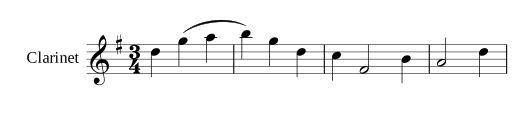
The conversion left this 3/4 bar holding four beats. The score check flags it rather than treating it as ready for export.
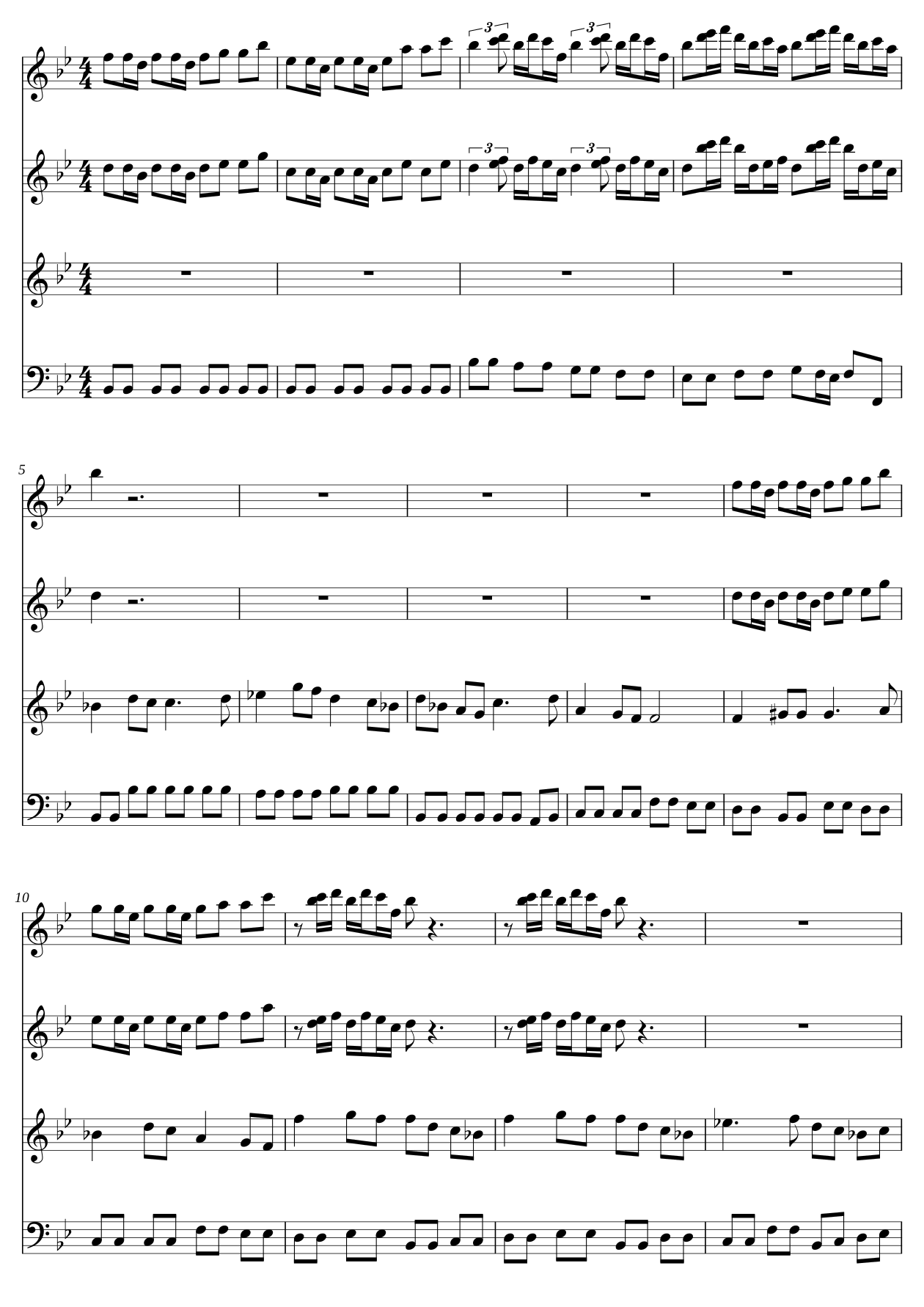
This case study follows StaveWave’s engraving of Bach’s public-domain Sheep May Safely Graze. Both views below are real output from the same renderer used for customer scores.
Case study · Johann Sebastian Bach
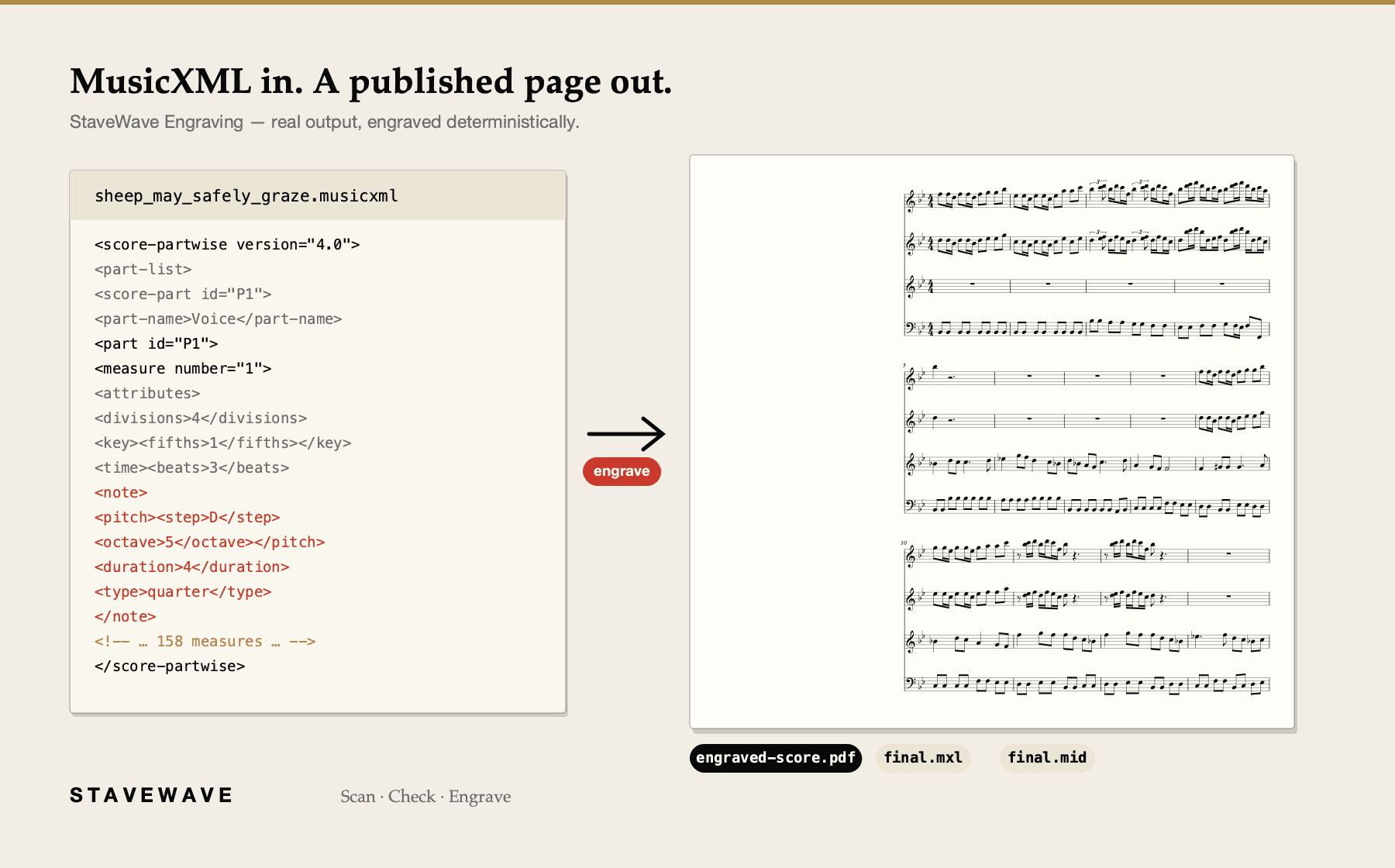
The complete engraved page, then the MusicXML source and print-ready result side by side. Public domain work, engraved by StaveWave.
Score-check evidence
One flagged bar, and the same bar re-engraved after correction.
The conversion left this 3/4 bar holding four beats. The score check flags it rather than treating it as ready for export.
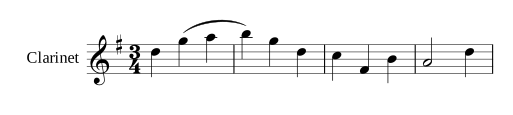
The note length is corrected, the bar sums to three beats, and the corrected MusicXML is re-engraved.
Engraved from real conversion output; the works are unidentified.
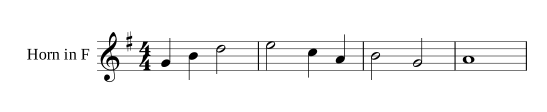
A tie leaves the bar with no matching note at its endpoint — usually because the second note's pitch was misread.
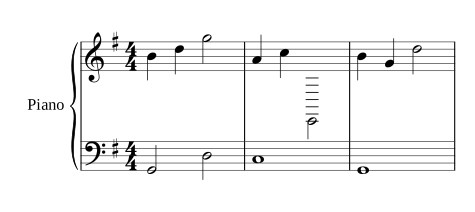
Left-hand material read without a staff assignment defaults to the top staff until it is reassigned.
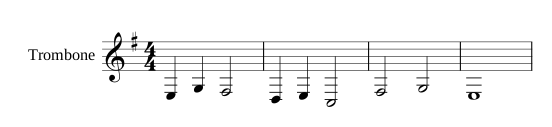
Every note in the bar sits far above the staff for the clef that was read, so the clef may have been misread.
A score whose copyright has expired — the printed page, a scan, or a PDF from a public archive.
Recognition produces draft MusicXML; the score check validates it bar by bar and reports what fails.
The validated MusicXML is engraved with optical spacing and clean beaming.
Copyright note: only works in the public domain are published here. Engraving your own score does not publish it; the results remain on your job page.
Want a particular public-domain work engraved for this gallery? Request an edition.